What Is the Difference Between Carbon and Ceramic Window Tint?
Choosing the right automotive window tint involves more than selecting a darker appearance. Heat rejection, ultraviolet protection, visibility, and long-term durability influence how a vehicle performs during daily driving. At Grizzly Clean in Waukee, IA, we understand the importance of selecting window tint that balances comfort, appearance, and practical protection.
When comparing Carbon vs Ceramic Window Tint, we consider how each option manages solar heat, reduces glare, maintains color stability, and supports driving comfort. Both technologies offer valuable advantages, but their performance characteristics can differ depending on film quality and specifications.
We explain these differences to help vehicle owners make informed decisions about their tint options.
How Carbon and Ceramic Window Tint Differ in Overall Performance
Carbon and ceramic films differ in heat rejection, optical clarity, UV protection, and durability. Darkness alone does not determine their performance.
Carbon Window Tint Performance Characteristics
Carbon window tint is commonly associated with consistent color, reduced glare, and improved heat management. Quality carbon films can provide effective solar protection while maintaining an attractive appearance.
Carbon tint combines heat reduction, color stability, and appearance. At Grizzly Clean, we offer an advertised carbon film package designed to improve comfort and privacy.
Ceramic Window Tint Performance Advantages
Ceramic window tint generally offers stronger heat rejection in premium product ranges while maintaining optical clarity. High-performance options can reduce infrared energy without requiring extremely dark glass.
We compare film specifications because ceramic products vary in quality and performance.
Heat Rejection Differences Between Carbon and Ceramic Window Tint
Heat rejection is one of the most important factors in the Carbon vs Ceramic Window Tint comparison. During warm weather in Waukee, IA, controlling solar heat can improve vehicle comfort, especially after extended sunlight exposure.
How Carbon Window Tint Reduces Solar Heat
Carbon window tint helps manage the amount of solar energy entering through automotive glass. Its heat-rejection capabilities vary between manufacturers and individual film products.
At Grizzly Clean, our carbon window tint package is advertised as providing a 67% increase in infrared heat rejection. This feature supports greater driving comfort.
We explain these claims alongside individual comfort needs.
Why Ceramic Window Tint Can Offer Greater Heat Rejection
High-performance ceramic films often provide greater infrared heat rejection than conventional carbon alternatives. This advantage can make them appealing when reducing heat buildup is a primary consideration.
However, performance depends on the selected product. We avoid assuming that every ceramic film automatically outperforms every carbon film without reviewing their individual ratings.
Understanding Infrared Heat Rejection and Solar Energy Ratings
Infrared rejection measures how effectively film blocks infrared radiation within a specified wavelength range. Total solar energy rejection measures the percentage of overall solar energy prevented from passing through the glass.
We recommend examining both measurements because a high infrared rejection percentage does not automatically represent the same percentage of total solar heat reduction.
UV Protection Differences Between Carbon and Ceramic Window Tint
UV protection remains an important consideration regardless of the selected tint technology. We consider verified ultraviolet resistance when evaluating how window films support vehicle protection during regular sunlight exposure.
UV Protection Offered by Carbon Window Tint
Quality carbon window films can provide strong UV protection while reducing visible glare. Their actual effectiveness depends on the product's tested performance.
At Grizzly Clean, our window tinting solutions help reduce UV exposure while supporting interior protection and driving comfort.
UV Protection Capabilities of Ceramic Window Tint
Premium ceramic window films can also provide excellent UV resistance. However, UV-blocking performance does not depend exclusively on whether a film uses carbon or ceramic technology.
Carbon and ceramic films may provide similar UV protection even when their heat-rejection performance differs.
Why UV Protection Matters for Vehicle Preservation
Repeated sunlight exposure can contribute to fading and deterioration of vehicle cabin materials. Reducing ultraviolet transmission helps limit this exposure over time.
We consider UV protection valuable for preserving a vehicle’s appearance.
Appearance and Visibility Differences Between Carbon and Ceramic Tint
The appearance of automotive window tint influences vehicle styling and driving visibility. We consider shade selection, color consistency, and optical clarity when comparing carbon and ceramic film options.
Carbon Window Tint and Its Consistent Dark Finish
Carbon window tint is commonly selected for its uniform, dark appearance. Quality products can maintain consistent coloration while providing privacy and glare reduction.
We value a uniform finish that complements the vehicle’s design.
Ceramic Window Tint and Optical Clarity
Premium ceramic films can provide strong heat-rejection performance while maintaining suitable optical clarity. Different shade options allow heat management and visible darkness to be considered separately.
We weigh visibility alongside appearance because darker film does not necessarily perform better.
How Tint Darkness Affects Privacy and Visibility
Visible Light Transmission, commonly called VLT, measures the percentage of visible light passing through tinted glass.
Lower percentages generally create a darker appearance, while higher percentages allow more visible light through. Privacy also changes with surrounding lighting conditions.
We help vehicle owners consider these differences while selecting appropriate tint percentages that comply with applicable Iowa requirements.
Durability and Long-Term Performance of Carbon and Ceramic Window Tint
Durability influences how well automotive window tint maintains its appearance and functionality over time. We consider material quality, installation practices, sunlight exposure, and maintenance when comparing long-term performance.
Color Stability and Fading Resistance of Carbon Tint
Quality carbon films are generally valued for consistent coloration and resistance to fading. Their appearance can remain stable when manufactured and installed properly.
However, long-term results depend on the specific product rather than the carbon classification alone.
We compare durability and heat rejection alongside appearance.
Long-Term Durability of Ceramic Window Tint
Premium ceramic films are designed to maintain performance under regular sunlight exposure. Quality products can offer reliable color stability and heat rejection over extended periods.
We recognize that ceramic technology alone does not guarantee a longer service life than every carbon alternative. Film quality and proper installation remain essential considerations.
Why Professional Installation Matters
Even high-quality window tint requires careful application to achieve a consistent finish. Proper glass preparation, accurate placement, and controlled installation techniques help reduce bubbling, peeling, and visible imperfections.
At Grizzly Clean, we emphasize professional workmanship and attention to detail throughout our window tinting process.
Does Carbon or Ceramic Window Tint Affect Electronic Signals?
Signal compatibility is another consideration when comparing automotive window tint technologies. We understand the importance of maintaining dependable communication and navigation functions while improving vehicle comfort.
Carbon Window Tint and Signal Compatibility
Carbon-based window films are generally considered nonmetallic options, making them less likely to interfere with electronic signals than certain metalized films.
We recommend checking individual product specifications rather than assuming identical signal performance across every carbon film.
Ceramic Window Tint and Electronic Device Performance
Ceramic window films are also generally designed without metallic layers that commonly contribute to signal interference.
Because many carbon and ceramic films use nonmetallic construction, they generally allow GPS and mobile signals to function without significant film-related interference.
Signal compatibility ultimately depends on the complete film design.
Which Window Tint Is Better for Comfort, Appearance, and Value?
The best choice depends on the features that matter most for daily driving. We encourage comparing performance expectations, desired appearance, and budget before selecting a window tint package.
Choosing Carbon Tint for Balanced Performance
Carbon window tint can provide a practical combination of glare reduction, privacy, color stability, and heat management.
We consider it an appealing option when reliable performance and appearance are important without requiring the highest available heat-rejection ratings.
Choosing Ceramic Tint for Advanced Heat Management
Premium ceramic films may offer additional advantages when stronger heat rejection is the main priority. Their performance can support greater comfort during extended sunlight exposure.
We recommend comparing measured specifications before deciding whether the additional performance justifies the price difference.
Considering Long-Term Value Beyond Initial Cost
Price is only one factor. Durability, clarity, UV protection, and heat rejection affect long-term satisfaction.
We evaluate the complete film package, not just price or darkness.
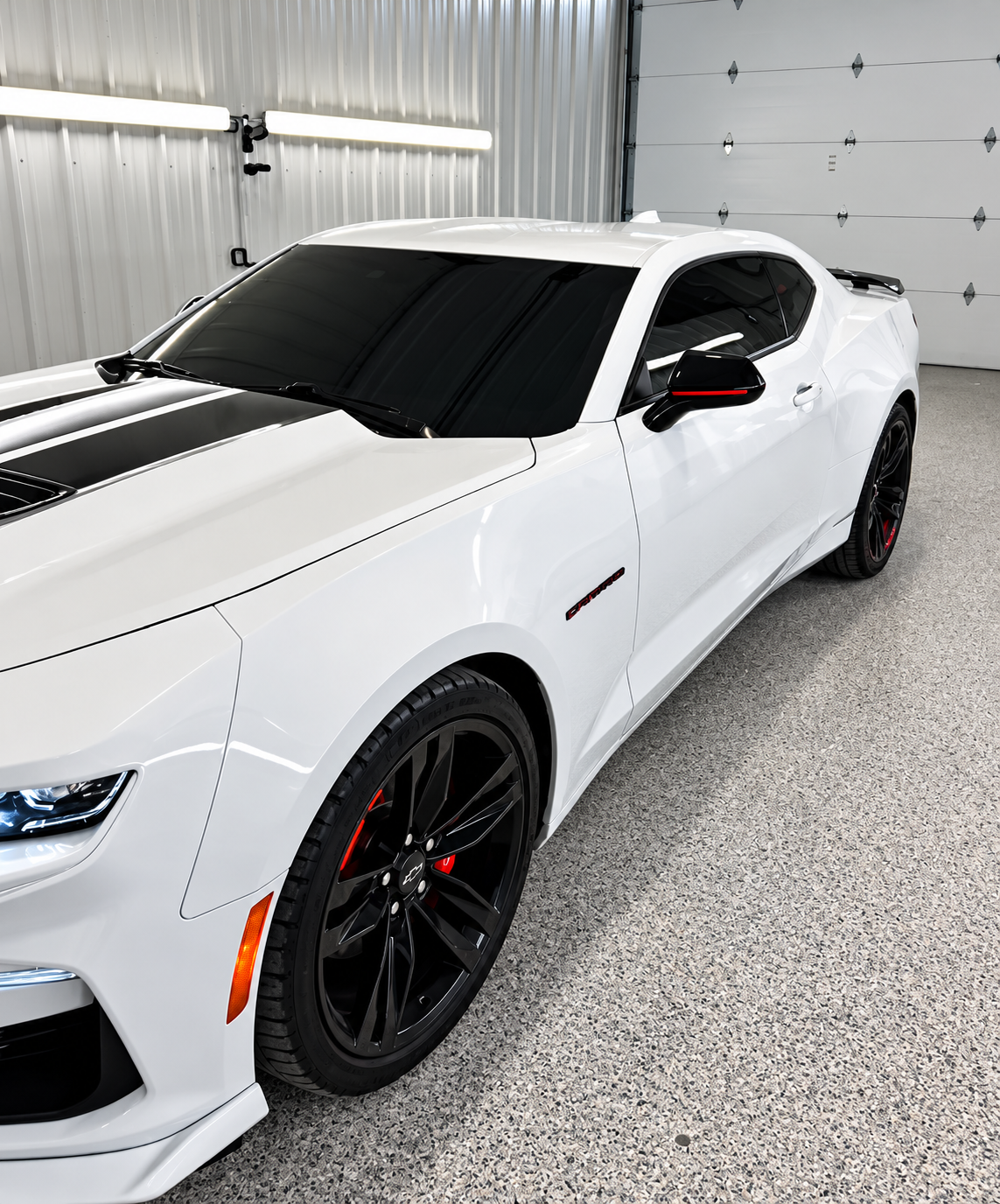
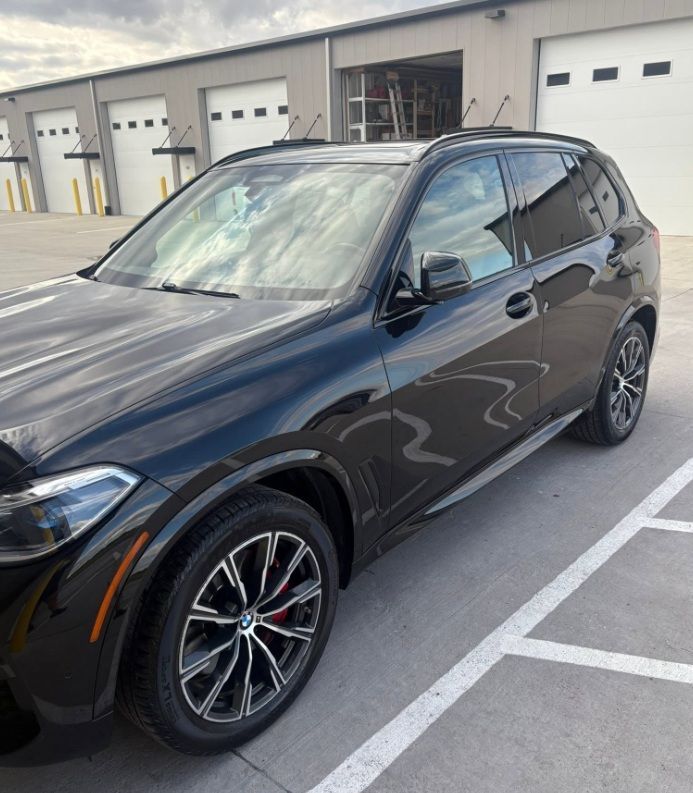
Professional Window Tinting Services at Grizzly Clean in Waukee, IA
At Grizzly Clean, we provide professional automotive window tinting services designed to improve vehicle appearance, privacy, and comfort. Our carbon window tint package helps reduce infrared heat, UV exposure, and glare while providing a clean, consistent appearance.
Our window tinting services include multiple coverage options and tint percentages. We guide customers through these choices while considering vehicle requirements, preferred appearance, and Iowa window tint regulations.
As a family-owned business in Waukee, IA, we prioritize quality workmanship, careful installation, and customer satisfaction. We focus on matching our available window tint solutions with practical driving needs rather than making unsupported performance promises.
Choose Professional Window Tinting With Grizzly Clean
Understanding Carbon vs Ceramic Window Tint helps clarify the differences in heat rejection, UV protection, appearance, durability, signal compatibility, and overall performance.
Carbon tint offers balanced comfort and appearance, while premium ceramic films may provide stronger heat rejection depending on their specifications. We believe selecting the right option starts with evaluating actual performance and individual priorities.
At Grizzly Clean in Waukee, IA, we provide professional window tinting with careful installation and quality-focused service. Our team is ready to explain our available film packages, coverage options, and tint percentages.
For professional window tinting in Waukee, IA,
contact Grizzly Clean to explore available tint packages, discuss your preferred shade, and request a quote.